
The Design System that powers the scale of Disney, NASA and Billion Dollar Brands
Welcome to WP for ENTERPRISES, where we go behind the scenes of BILLION-DOLLAR WordPress websites.
In this issue, you'll discover:
- Why Disney and NASA both chose the same design system for WordPress.
- How Atomic Design maps perfectly to WordPress blocks and patterns.
- The framework powering 60+ Disney properties and 1,000+ NASA sites.
- Real examples from billion-dollar brands managing hundreds of sites.
Last month, a Fortune 500 CMO asked me a question:
"Every campaign takes weeks. Designers are bottlenecked. How do billion-dollar brands move so fast?"
I showed him two WordPress sites.
Disney. Sixty properties with plans for 50 more. Campaigns launch in days, not weeks.
NASA. Over 1,000 consolidated websites. Content creators publish without technical assistance.
Then I showed him what they have in common.
Both run on the exact same design system framework: Atomic Design.
Not a coincidence. Not a trend.
When enterprise brands build WordPress at scale, they don't randomly piece things together.
They use one particular design system that fits WordPress like a glove.
Let me show you why.
WHY DESIGN SYSTEMS MATTER IN WORDPRESS
Here's what happens without a design system:
You launch a beautiful WordPress site. Six months later? Inconsistent layouts everywhere. One-off CSS scattered across files. Frankenstein site after a year of updates.
Every new page requires design decisions that should have been made once.
Marketing waits for designers. Designers rebuild the same components repeatedly. Developers write custom CSS for every variation.
Sound familiar?
Design systems solve this by creating reusable pieces, clear rules, faster builds, and easier onboarding.
But here's what most people miss:
WordPress is already built for design systems.
Blocks, patterns, templates, and theme.json are atomic by nature.
The architecture is waiting. You just need the right framework.
ATOMIC DESIGN IN 2 MINUTES
Before we dive into how Disney and NASA use this, let's understand what Atomic Design actually is.
Brad Frost introduced Atomic Design in 2013 using chemistry as a metaphor.
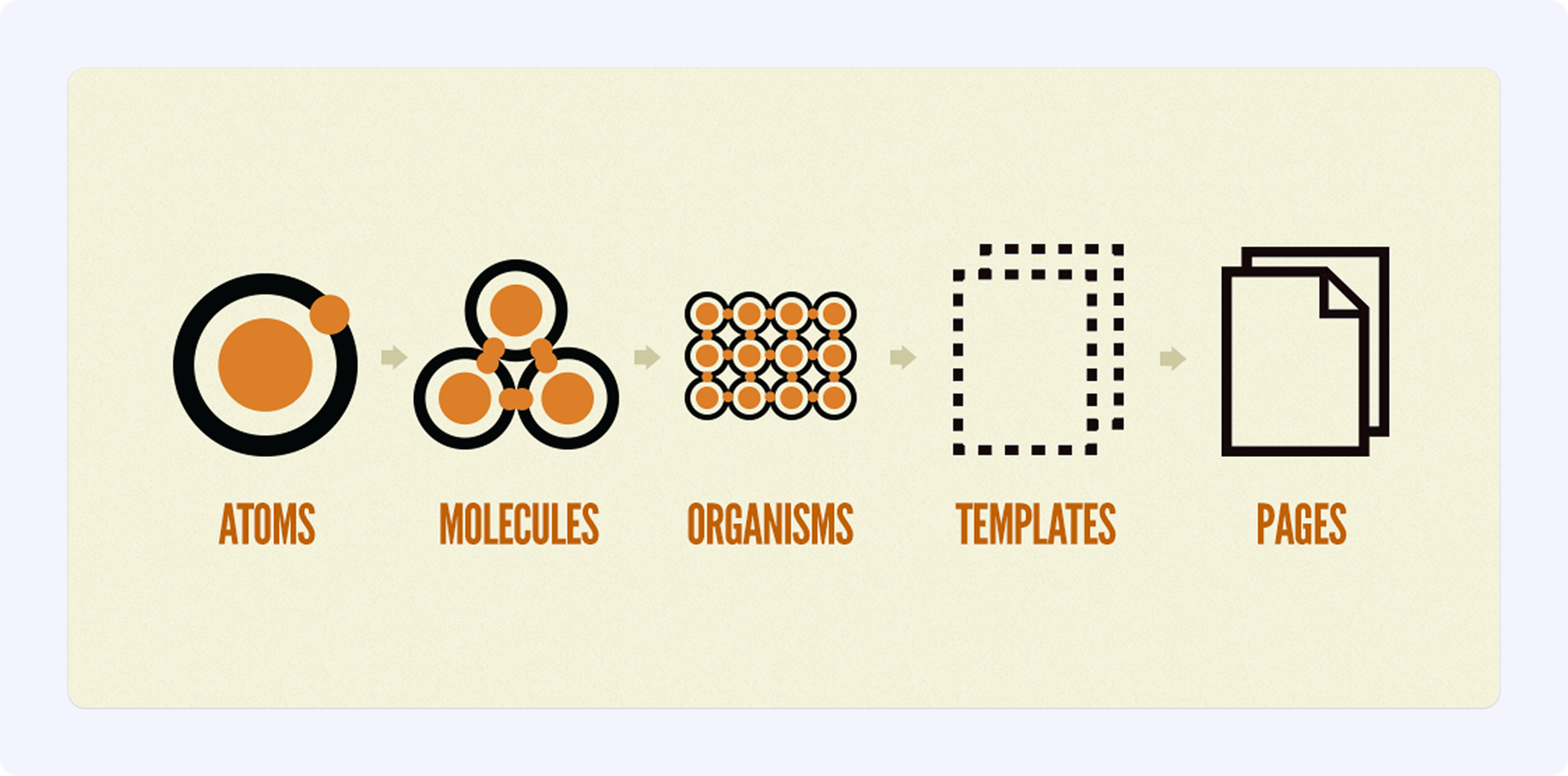
Small building blocks combine into increasingly complex components.
Atoms are fundamental building blocks. Buttons, inputs, headings, color tokens. The smallest functional units that can't be broken down further.
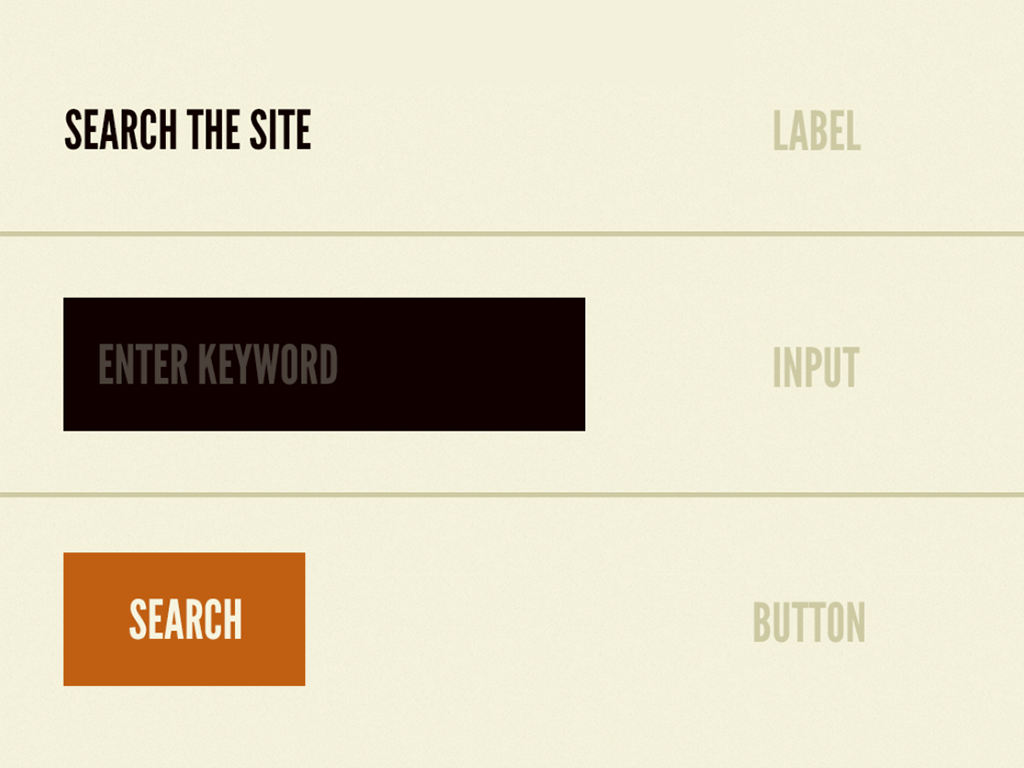
Molecules combine atoms into simple groups. Search form = label + input + button. Card = heading + image + text snippet.
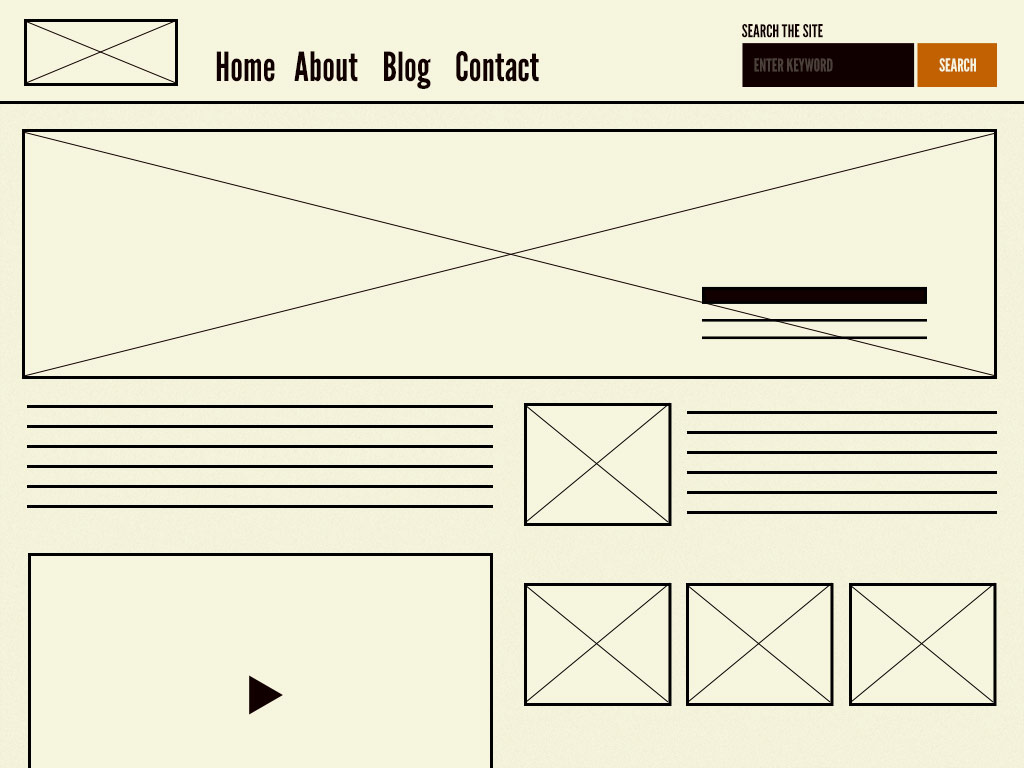
Organisms are complex components. Site header = logo + navigation + search form. Article grid = multiple cards + pagination.
Templates define page layouts. Blog post template = header + content area + sidebar + footer. Landing page template = hero + features + testimonials + CTA.
Pages are actual content-filled instances. Your real blog posts using the post template. Your actual landing pages with real content.
Changes cascade logically through this hierarchy.
Update a button atom? Every molecule, organism, and template using that button updates automatically.
That's not magic. That's systems.
Learn more about Atomic Design here.
HOW ATOMIC DESIGN MAPS TO WORDPRESS
Here's where it gets interesting. WordPress architecture mirrors Atomic Design principles almost perfectly. Let me show you the mapping:
ATOMS → DESIGN TOKENS & CORE STYLES
Your atoms live in theme.json as design tokens.
Colors, typography, spacing, border radius, shadows. All defined in one place as the "design system settings" for your theme.
This is your single source of truth.
Disney defines their brand colors, typography scales, and spacing systems in theme.json. Every site in their 60+ property network inherits these tokens.
NASA does the same across 1,000+ websites.
Change a color token once? It updates across every page, every site, every property automatically.
The Global Styles panel gives non-developers a UI to apply these tokens without touching code.
MOLECULES → BLOCKS & SMALL PATTERNS
Core WordPress blocks are your molecules.
Buttons, Headings, Paragraphs, Images combined into small reusable patterns.
Custom block styles and style variations create your component library: "Card – Default / Card – Featured / Card – Minimal."
Disney built 50+ custom Gutenberg blocks as molecules. Their marketing teams combine these into infinite page variations.
NASA created 55+ blocks in their Horizon system following the same principle.
Each block is a molecule. Each can combine with others. All stay on-brand automatically.

ORGANISMS → TEMPLATE PARTS & COMPLEX PATTERNS
Your organisms are template parts and complex block patterns.
Headers, footers, sidebars, product grids, article listings. These are block patterns combined with template parts.
Disney's navigation system is an organism. So is their hero section. So is their content grid.
NASA's site header works across 1,000+ websites as a consistent organism. Content creators can't break it because of locking options.
These organisms maintain structure while allowing content flexibility.

TEMPLATES & PAGES → FULL SITE EDITING
Block templates for single posts, pages, archives, products. All following your atomic system.
Style variations let you ship multiple "themes inside the theme" using the same design tokens.
Disney uses child themes built on their Aloha parent theme. All share the same atoms. Each has unique organisms tailored to specific properties.
NASA's templates ensure consistent structure across every center, mission, and program website.
This is Full Site Editing at enterprise scale.
REAL-WORLD ATOMIC DESIGN IN WORDPRESS
Let's look at actual implementations you can reference:
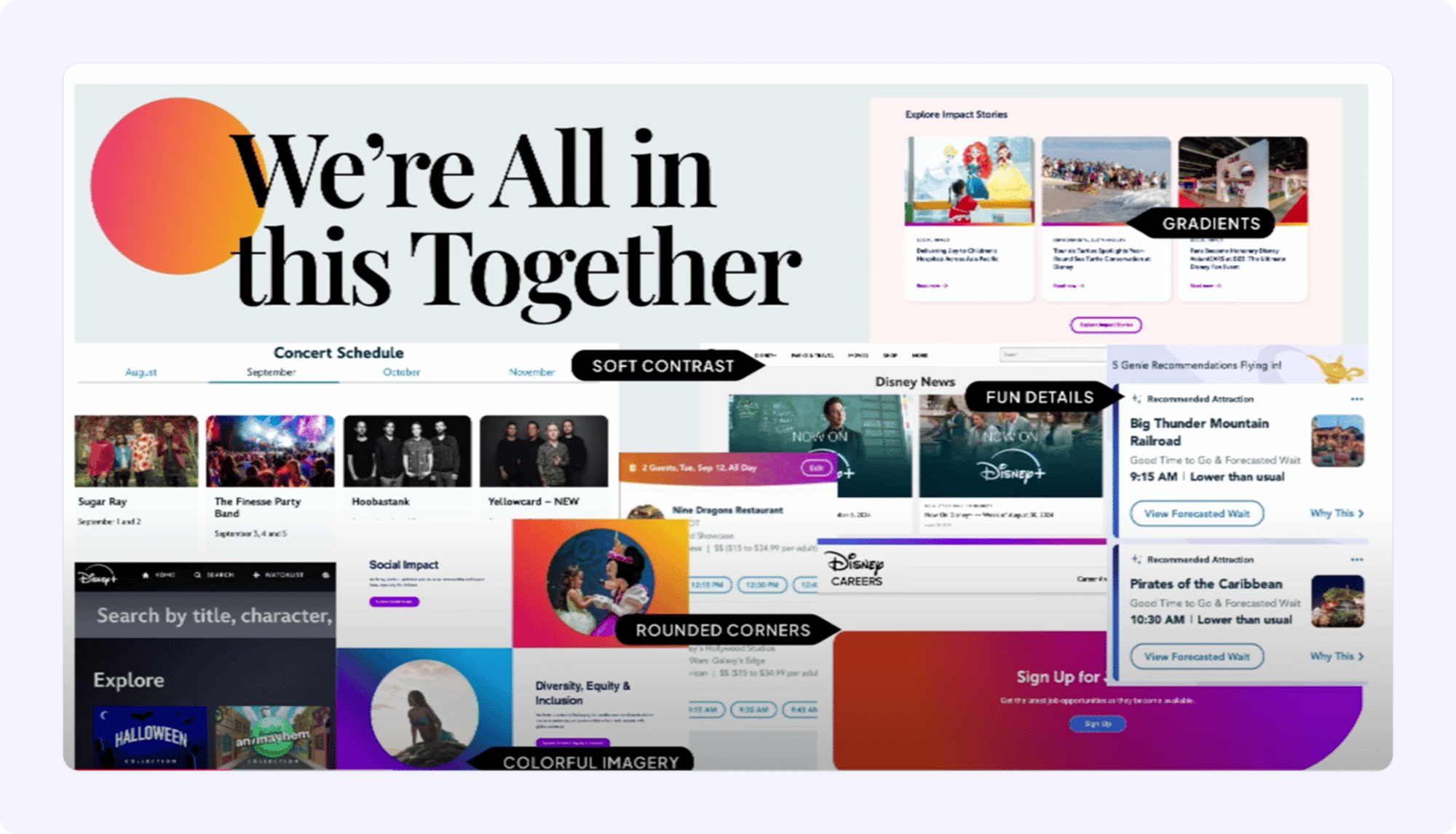
Disney's Implementation
Sixty WordPress properties. Fifty custom Gutenberg blocks built on Atomic Design.
Their Aloha theme uses child themes to tailor each property while maintaining atomic consistency.
Campaign launches dropped from weeks to days. Marketing teams assemble pages from pre-approved atoms and molecules.
NASA's Horizon System
Over 1,000 websites consolidated using Atomic Design principles.
Fifty-five custom blocks organized as atoms, molecules, and organisms.
Every component meets Section 508 accessibility requirements automatically because accessibility is built into the atoms.
Content creators across NASA publish without technical assistance. Brand consistency improved dramatically.

PITFALLS TO AVOID
After implementing Atomic Design for dozens of enterprise clients, here's what kills design systems:
Don't over-flex the editor. Too many blocks, too many styles = no system. Curate ruthlessly. Disney limits options intentionally.
Keep the token layer stable. Change design tokens rarely. Iterate more freely on patterns and organisms. Your atoms should be foundational.
Treat the design system as a product. It needs an owner, roadmap, and versioning. Not just a nice Figma file or cool theme.
NASA has a dedicated design system team. Disney has design system governance across their properties.
Systems don't maintain themselves.
Don't skip documentation. Undocumented systems die. Teams ignore them or use them incorrectly.
Test accessibility at the atom level. If your atoms meet WCAG standards, everything built from them inherits accessibility.
THE BOTTOM LINE
When enterprise brands build WordPress at scale, they don't wing it.
They use Atomic Design because it maps perfectly to WordPress architecture.
Disney manages 60+ properties with this approach. NASA consolidated 1,000+ websites using these principles. Capgemini empowered 300,000 employees to publish using atomic components.
The framework is proven. The platform supports it natively. The implementation path is clear.
Your move: Start with theme.json. Define your atoms. Build from there.
The billion-dollar brands figured this out. Now you have their playbook.
I'M WRITING A BOOK
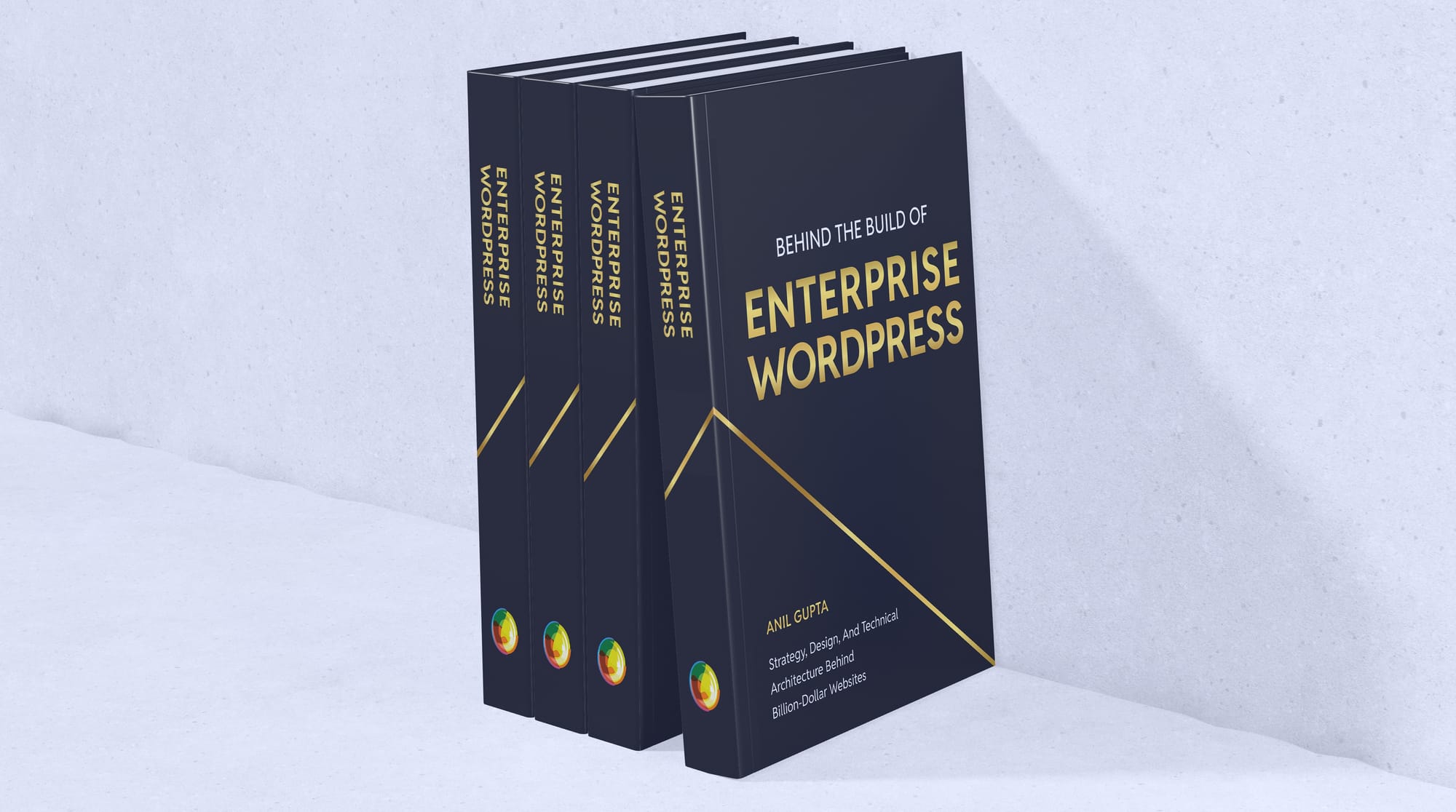
I've been working on something special for over a year now—a comprehensive guide for tech leaders navigating the complexities of enterprise WordPress.
This book is written for CTOs, IT managers, and enterprise decision-makers who want to understand how WordPress powers billion-dollar businesses.
Drawing from over a decade with Fortune 500 companies, I'm sharing strategies and insider knowledge most agencies keep to themselves.
What you'll learn:
- Evaluating WordPress for enterprise-scale operations
- Migration strategies that minimize risk and maximize ROI
- Performance optimization for high-traffic sites
- Security frameworks for enterprise compliance
- Team management for large WordPress deployments
The book launches in the coming months, and I'm offering free advance copies to newsletter subscribers.
Interested in a free copy? Sign up for the book launch here.
👋 Until next time, Anil | CEO and Co-Founder → Multidots, Multicollab & Dotstore.
P.S. I also write about personal growth and agency growth.

WP for ENTERPRISES is brought to you by Multidots, an enterprise WordPress web agency that’s been empowering big enterprises to scale and succeed with WordPress.

Whenever you're ready (no pressure), there are four ways we can help:
#1: Enterprise WordPress consulting – Think of us as your WordPress GPS. We’ll get you where you need to go.
#2: Migrate your website to WordPress – No stress, no mess—just a smooth ride to the WP world.
#3: Designing and building a new site – Your dream site, minus the nightmares.
#4: Optimizing and maintaining your site – Because nobody likes a slow website (or a hangry one).
📆 Book a quick, free call—no hassle, no commitment, just solutions that work for you.
Member discussion